
Shopping for a luxury handbag online can feel like both a thrilling find and a careful negotiation with your instincts. This guide walks you through what to expect when you Buy at Lazriboutique.com, how to evaluate listings for louis vuitton purses, and practical steps to protect your purchase. Read on for detailed tips, personal experience, and a checklist you can use the next time you click “add to cart.”
Why Lazri Boutique draws shoppers interested in designer pieces
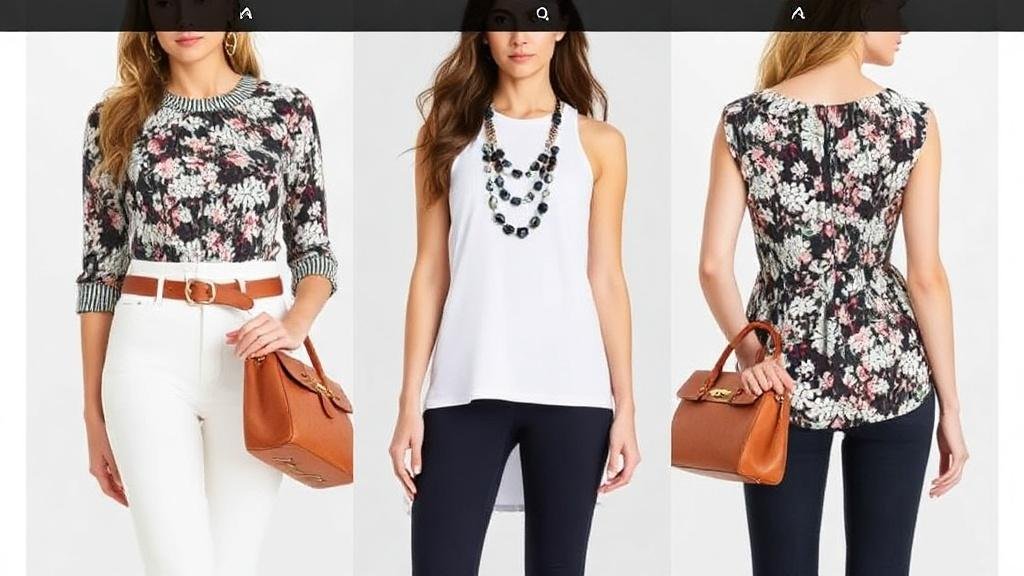
Lazri Boutique markets itself as a curated spot for designer handbags, claiming a selection that ranges from contemporary names to time-honored houses. For buyers who want variety without visiting multiple storefronts, that curation is appealing; it promises a single place to compare style, color, and condition across many brands.
Part of the boutique’s appeal is visual: high-resolution photos, clear product descriptions, and styled shots help customers imagine a bag in daily life. Those images matter, but they don’t replace due diligence—especially with louis vuitton purses, where small details distinguish authentic pieces from convincing counterfeits.
Another draw is convenience. Lazriboutique.com lists inventory, accepts payment online, and often offers shipping worldwide. For shoppers who live far from metropolitan boutiques or who prefer private browsing, that ease of access outweighs the tactile advantages of in-person buying.
Understanding the buying experience on the site

When you land on a product page, start with the basic facts: brand, model name, material, dimensions, and condition. Reliable sellers list serial codes, provenance information, and any known flaws in the item description. Absence of these details isn’t always a deal breaker, but it should prompt further questions.
Photos deserve a close look. Zoom in on stitching, hardware, logo placement, and interior tags. Ask the seller for additional angles or a short video if lighting, reflections, or framing hide crucial identifiers. Authentic louis vuitton purses often reveal themselves in the stitching quality and the way hardware ages.
Pay attention to the listing’s wording. Vague phrases like “designer-inspired” or “pre-loved” without clarification should raise caution. Conversely, precise language—mentioning factory codes, date stamps, or authentication services—signals a seller aware of what serious buyers want to know.
How to verify authenticity before you buy

Authenticity verification is non-negotiable when you’re buying a high-value item online. Start with the seller’s stated policy: do they offer returns or third-party authentication? A transparent authentication policy shows they expect scrutiny and are prepared to support it.
Request documentation. Original receipts, authenticity cards, dust bags, and packaging all strengthen a listing’s credibility. If a seller claims the bag is vintage or missing paperwork, ask for clear photos of the serial/date code and matching interior stamps—then compare those to known references for the model.
Use independent authentication services when you’re unsure. I have used paid authenticators who evaluate photos or the physical item; their opinions aren’t infallible, but they reduce risk. When the value is high, paying a modest fee for peace of mind is practical and cost-effective.
Spotting red flags and common counterfeit signs
Counterfeiters have improved, but there are consistent giveaways. Sloppy stitching, uneven pattern alignment, cheap hardware, and incorrect fonts on logos often indicate a fake. For louis vuitton purses, pattern alignment across seams and the clarity of the date code are especially telling.
Another red flag is an impossibly low price for a sought-after model. If a classic item, newly discontinued piece, or limited-edition release appears at a fraction of retail, ask why. Sometimes sellers price lower due to damage or missing accessories; other times the deal is simply too good to be true.
Finally, sellers who resist independent authentication or who refuse to accept returns after authentication are risky. A trusting seller will allow a reasonable verification process and stand by the item’s description. When in doubt, walk away—there will always be another opportunity to find a legitimate piece.
Pricing: how Lazri’s listings compare to retail and the resale market

Expect prices on Lazri Boutique to vary by condition, rarity, and demand. New items may be priced close to retail, while pre-owned pieces typically reflect wear and marketability. For louis vuitton purses, classic silhouettes keep value well, so “lightly used” examples still command a premium.
Resale platforms, independent sellers, and specialty boutiques each set their own tone on pricing. Lazri may offer a middle ground: competitive compared to boutique consignment, but sometimes higher than direct peer-to-peer marketplaces because of curation and service. Consider the total cost, not just the sticker price—authenticity guarantees, return protection, and shipping matter.
Look for seasonal promotions and bundle deals. Sellers occasionally reduce prices for older inventory or to move stock quickly. If you’re patient, tracking wish-listed items over a few weeks can reveal price drops or negotiated offers.
Shipping, customs, and delivery expectations

Shipping terms define much of the international buying experience. Check whether the seller insures high-value packages and whether tracking is provided for every step. For a bag worth thousands, insured priority shipping reduces anxiety and covers loss or damage during transit.
Customs and import duties are another layer. If Lazriboutique.com ships internationally, your country may charge taxes on arrival. Sellers sometimes mark items as gifts or under-declare value—requests that should make you uneasy because they shift legal responsibility to the buyer. Expect to pay duties where applicable, and factor them into the total cost.
Delivery windows also vary. Some sellers dispatch within 24–48 hours; others require several business days for packaging and verification. If you need a bag by a certain date, confirm processing times and choose an expedited option where available.
Returns, refunds, and dispute resolution

A clear return policy is a sign of a professional seller. Check the window for returns, the condition required for acceptance, and who pays return shipping. Some marketplaces offer seller-backed or platform-backed guarantees—those protections reduce stress and financial risk.
If the bag arrives and you suspect inauthenticity or undisclosed damage, document everything immediately with photos and written notes. Open communication with the seller often resolves issues quickly, but if it doesn’t, use your payment provider’s dispute process and any platform protections.
One personal note: I once returned a bag because the interior lining didn’t match the description. The seller accepted the return and refunded promptly, but only after I followed the stated return procedure and provided the requested documentation. Following the seller’s process speeds up resolution.
Payment security and buyer protection

Payment security matters as much as product authenticity. Reliable sellers accept major credit cards, reputable third-party processors, or secure escrow services. Each of these methods provides a layer of buyer protection you won’t get from direct bank transfers or wire-only sellers.
Credit cards and payment services let you dispute fraudulent transactions and often offer zero-liability policies. If Lazriboutique.com supports these options, that’s a practical advantage; if it insists on wire transfers or cryptocurrency only, consider that a significant risk signal.
When possible, use payment methods that retain recourse. Keep receipts and transaction IDs until you’re satisfied with the purchase. Those records become essential if an item requires return or if you file a dispute over authenticity or delivery.
How to evaluate product descriptions

Good product descriptions combine objective facts with honest condition notes. A list of materials, dimensions, and known imperfections helps you judge value and fit. Avoid listings that substitute storytelling for information—flair is fine, but facts are essential.
Look for specific condition grades: “new with tags,” “excellent pre-owned,” “good with minor scuffs,” and so on. These standard phrases give context, yet they’re only useful when accompanied by clear photos. If a bag is described as “lightly used,” verify what that means in practice by asking targeted questions.
If the description references third-party repair work, ask for receipts or photos of the repair. Repairs change resale value and future wearability, and some collectors avoid pieces that have been altered from factory condition.
Practical checklist before you click buy
Use a short, repeatable checklist to avoid impulse errors. Confirm the seller’s return policy, request serial/date code photos, check for insured shipping, and verify accepted payment methods. This small routine prevents most avoidable headaches.
Don’t skip the visual inspection: zoom every photo, ask for close-ups of logos and hardware, and request a photo of the dust bag or packaging when available. For louis vuitton purses, pattern symmetry and hardware markings are high-priority checks.
Finally, pause for a price sanity check. Briefly compare the listing to one or two other reputable sellers for the same model and condition. If the price is wildly different without explanation, proceed cautiously.
Styling louis vuitton purses: choosing the right model for your life

Choosing a louis vuitton purse is as much about lifestyle as it is about aesthetics. Are you after a daily work bag, a weekend crossbody, or a statement evening piece? Size, strap length, and interior organization will determine how often you actually use the bag.
Classic monogram pieces speak to a certain traditional style and often match many outfits, while newer seasonal lines or limited editions bring color and conversation. Think about what you wear most and how a new bag will integrate with your wardrobe rather than replacing existing favorites.
Practicality matters. Consider whether you need zipped compartments, an exterior pocket, or a removable strap. Those small design decisions affect everything from commute convenience to how secure your valuables remain when you travel.
Care and maintenance table for long-term value

Proper care preserves both appearance and resale value. The table below summarizes routine maintenance steps and recommended intervals for louis vuitton purses.
| Care task | Frequency | Why it matters |
|---|---|---|
| Surface wipe with soft cloth | After each use | Removes oils and dirt before they stain |
| Condition leather (vachetta or treated) | Every 6–12 months | Prevents drying and cracking; preserves patina |
| Store in dust bag, stuffed | When not in use | Maintains shape and protects from dust |
| Professional cleaning | When heavily soiled | Restores interior and exterior without damage |
Storage and seasonal care tips
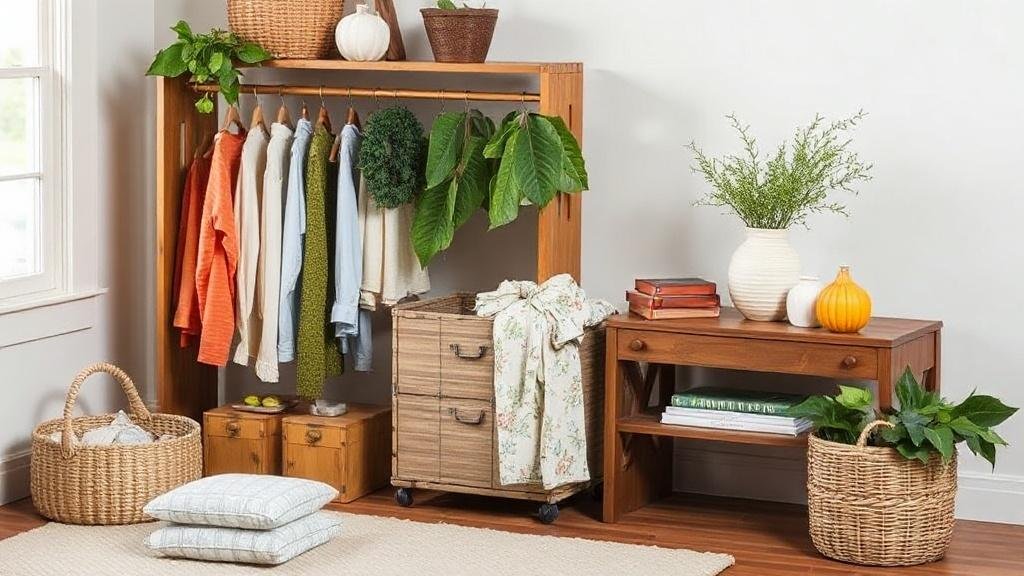
Store a designer bag in a cool, dry environment away from direct sunlight. Sunlight fades leather and fabric over time, and humidity invites mold. Use a breathable dust bag, not plastic, to allow airflow and prevent moisture traps.
Stuff the bag with tissue paper or a purse pillow to preserve its silhouette, especially for slouch-prone models. Avoid hanging structured bags by their handles for long periods because gravity can distort shape at the top edges.
If you rotate bags seasonally, let them air briefly before returning them to storage to ensure no trapped odors or moisture. Little bits of routine prevent costly restoration later on.
Sizing, fit, and what to measure before buying
Dimensions on a listing tell part of the story—width, height, depth—but practical fit requires imagining what you carry daily. Measure a typical wallet, phone, and other essentials and compare them to the bag’s interior length and depth. If a listing provides internal pocket measurements, all the better.
Consider strap drop length for shoulder bags, particularly if you prefer crossbody wear. People of different heights carry bags differently; a strap that’s too short or too long radically changes usability. Many sellers will include strap measurements on request.
If you’re between sizes, look for removable elements like pouches or dividers that increase versatility. Some models have optional inserts that convert an evening clutch into a day bag and vice versa.
Warranty, repairs, and long-term service

Factory warranties vary by brand and region, and most resale purchases do not carry the original manufacturer warranty. That said, many boutiques and independent sellers partner with repair specialists who can restore zippers, recondition leather, and replace hardware.
Before you Buy at Lazriboutique.com or similar sites, ask about available repair partners and expected costs for common fixes. A seller who can point to reputable repair resources demonstrates after-sale care and accountability.
For very high-value pieces, consider a preventive maintenance budget. Routine care and occasional professional cleaning can extend a bag’s life decades and preserve resale value should you decide to sell later.
Comparing Lazri Boutique to other resale platforms
Marketplaces differ in verification standards, seller vetting, and fee structures. Peer-to-peer platforms often deliver lower prices but come with variable seller reliability. Specialty boutiques like Lazri attempt to bridge that gap with curated inventory and more consistent presentation.
Large authenticated resale platforms usually offer in-house authentication or guarantee policies, which can be worth the premium. Smaller boutiques may excel in customer service and negotiation flexibility. Choose based on which balance of price versus protection suits you.
My own purchasing pattern blends both approaches: I use marketplaces for price discovery and boutiques for purchases above a certain threshold. That way I get the best of both—market awareness and a safety net for higher-ticket buys.
How to communicate with sellers effectively
Clear, polite questions often yield the best results. Ask for specific photos, confirm measurable details, and request any provenance or receipt documentation early in the process. Most sellers appreciate concise, direct requests because they reduce back-and-forth and speed transaction completion.
Avoid aggressive language; assume good faith until proven otherwise. If a seller hesitates to provide reasonable verification steps, consider that informative. A transparent merchant will usually cooperate or explain constraints.
Keep all communication on the platform when possible. Platform messaging preserves a record for disputes and protects you from off-site promises that are hard to enforce later.
When to negotiate and how to make an offer
Negotiation is part of the resale game. If a bag has visible wear or missing accessories, a thoughtful, evidence-based offer is reasonable. Present your offer along with reasons—comparative listings, listed imperfections, or known repair needs—and remain open to counteroffers.
Timing matters: sellers are more likely to accept offers near the end of a listing or when they’ve had limited buyer interest. Conversely, for rare or newly listed pieces, expect more resistance to lowballing. Be fair and realistic to keep negotiations constructive.
Always set a maximum you’re willing to pay and stick to it. Emotional buying leads to regret; a cap keeps your spending aligned with market value and personal budget limits.
Legal and ethical considerations when buying designer goods
Buying authentic goods is both a legal and ethical matter. Purchasing known counterfeits supports illegal production chains and erodes the market for genuine artisans. Many buyers prefer to ensure their purchases are legitimate for these reasons alone.
When in doubt about a seller’s claims, consult independent resources, brand databases, and forums where experienced collectors discuss authentication markers. Knowledgeable communities often identify suspicious patterns before a legal authority would intervene.
If you suspect illicit activity—for instance, a seller repeatedly offering impossibly low-priced designer goods without proof—report the listings to the platform. That protects other buyers and helps maintain a healthier secondary market.
Personal experience: buying a louis vuitton purse online
I once searched several months for a particular louis vuitton purses model that I wanted for daily use but didn’t want to buy at full retail. I tracked listings, set alerts, and compared condition notes across sellers. That patience paid off when a well-described pre-owned piece appeared at a fair price with detailed photos.
The seller provided multiple close-ups, the original receipt, and a quick video of the interior stamp. I used a third-party authenticator who confirmed the bag’s legitimacy, then completed the purchase through a secure payment method. The bag arrived insured and exactly as described, and the whole process reinforced the value of methodical shopping.
That experience taught me to prioritize documentation and verification above a slightly lower price. The peace of mind from a verified purchase has lasting value beyond a few dollars saved at checkout.
Quick checklist: final pre-purchase questions
- Does the listing include serial/date code photos and clear images of hardware?
- Is there a reasonable return policy and insured shipping?
- What payment methods are accepted and do they offer buyer protection?
- Are there verifiable provenance documents or receipts?
- Have you compared prices for similar-condition models elsewhere?
Run through these questions quickly before confirming a purchase. They take minutes to verify and can prevent significant regret afterward.
If a seller stalls on any of these points, treat that as a legitimate reason to pause and research further. A short delay often saves both money and anxiety.
Common questions buyers ask about high-end online purchases
How long should authentication take? Photo-based authentication can be quick—often 24–72 hours—but physical authentication requires shipping time. Factor this into your buying timeline when the value is substantial.
What if the bag smells or has hidden stains? Document everything visually and in writing immediately. Use the seller’s return process and, if necessary, the payment provider’s dispute channel. Many odor or stain claims can be remedied professionally, but transparency from the seller is critical.
Can I resell later if I change my mind? Yes—designer bags often retain resale value, especially classic louis vuitton purses. Keep original packaging, receipts, and care records to maximize future price and buyer confidence.
How to keep receipts and records for future value
Save digital copies of all receipts, messages, and authentication reports. A neatly kept folder—either physical or digital—adds credibility if you decide to sell later and helps with insurance claims in case of loss or theft.
Consider insuring particularly valuable pieces. Homeowners or renters insurance sometimes covers personal property off-premises, but specialized jewelry or high-value item riders may be needed. Check policy limits and deductibles carefully.
Label care and repair records alongside provenance documents. Future buyers often look for evidence of responsible ownership when deciding on a purchase, and that documentation converts to tangible resale value.
Where to turn for additional help and verification
Trusted third-party authenticators, specialist repair shops, and collector forums are invaluable resources. Companies that specialize in luxury authentication often publish guides and reference libraries you can use for quick checks. Use them as a supplementary step, not as a substitute for seller transparency.
Collector communities and local consignment shops also offer in-person examination options. If you can arrange a local inspection before purchase—or ship to a local shop for verification—you gain an added layer of confidence that a photos-only transaction cannot provide.
When you feel uncertain, a paid expert opinion can save far more than its cost. That payment is a small fraction of a high-value bag and can turn a nervous gamble into a secure purchase.
Tips for maintaining resale value over time
Use the bag thoughtfully: avoid wearing it in heavy rain, protect it from cosmetics and ink, and rotate it with other bags to minimize concentrated wear. These small habits extend life and desirability when you eventually resell.
Keep the original box, dust bag, and any receipts in good condition. Many buyers pay a premium for an item that comes complete with its original packaging and paperwork. Even small inserts like care cards add to buyer trust later on.
Finally, document any professional repairs with receipts. Buyers want to know what was done and by whom. Transparent history turns into a selling point rather than a reason for discounts.
A few closing tips before you make the purchase
Take your time. Luxury purchases reward patience more than impulse. A thoughtful purchase aligned with your style and budget will provide satisfaction for years.
Prioritize transparency and protection over minor price savings. The extra upfront effort—asking questions, verifying authenticity, and ensuring secure payment—reduces the chance of expensive mistakes later.
And when you do decide to Buy at Lazriboutique.com or another trusted seller, keep a methodical record of the transaction so you can enjoy the bag without lingering doubts. The right piece, purchased with care, becomes part of your daily life rather than a source of second-guessing.