
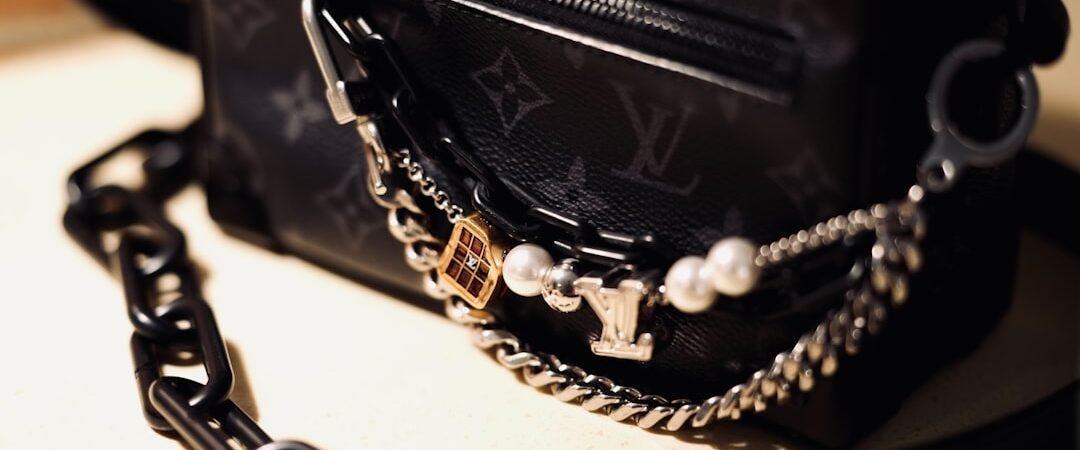
If you have held a real Louis Vuitton bag, you already know the weight of it in your hand. You know the specific smell of coated canvas and untreated vachetta leather, the way the hardware sits heavier than it looks, the way the monogram pattern seems to continue seamlessly across a seam as if the seam were not there. Learning how to spot authentic Louis Vuitton is not about checking a list of generic signs. It is about understanding the systems Louis Vuitton uses to track production, the construction standards they enforce, and the specific ways counterfeits have evolved to imitate them. This is the knowledge that resellers would rather you did not have, because it turns a blind purchase into a verified one.
Start Here: Date Codes and the Microchip Era
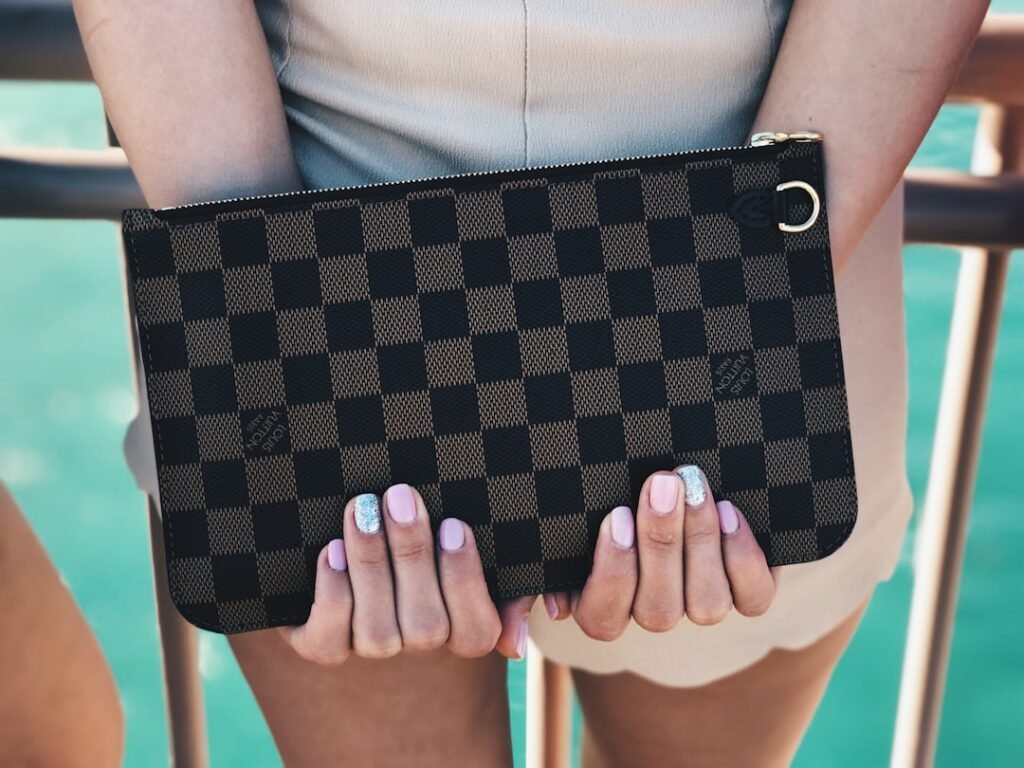
The single most reliable first check on any pre-2021 Louis Vuitton bag is the date code. Not because it cannot be faked, but because the format must match the era of the bag, the factory code must correspond to a known manufacturing location, and the stamping method must be consistent with how Louis Vuitton marked bags during that production period. A mismatch between the date code format and the bag’s design era is one of the fastest ways to separate a real bag from a counterfeit, and it is a check that most casual buyers skip entirely.
Pre-1982: No Date Codes at All
Bags produced before 1982 carry no date code. None. If you are examining a vintage Speedy or Keepall from the 1970s and there is no code stamped anywhere inside, that is correct. Counterfeiters often add date codes to bags styled after early vintage models, not realizing that the absence of a code is itself a period-correct detail. The leather tab inside these early bags is typically blank or carries only a small embossed LV logo.
1982 to 1988: Three and Four Digit Codes
The earliest date codes were three or four digits with no letters. The first two digits indicated the year, and the remaining digits indicated the month. A code reading “8362” would mean 1983, June, factory unspecified. These codes were heat-stamped directly onto the canvas or on a small interior tab, not printed in ink. If you encounter a bag claiming to be from this era with an ink-printed code or a code that includes letters, that is a red flag.
Late 1980s: Factory Letters Introduced
By the late 1980s, Louis Vuitton added two-letter factory codes to the numeric system. These letters identify the manufacturing atelier. Common codes include TH (France), SD (France, sometimes confused with US production), FL, MI, and others, each corresponding to a specific workshop in France, Spain, or the United States. A bag from this transitional period carries the factory letters followed by three or four digits, still indicating year and month. The stamping remains heat-pressed into the material, never ink.
1990 to 2006: The Two-Letter, Four-Digit Standard
From 1990 onward, the format standardized to two letters followed by four digits. The reading method changed: the first and third digits together indicate the year, and the second and fourth digits together indicate the month. A code like “TH0952” reads as factory TH, year 2005 (the 0 and 5), month February (the 9 and 2, giving “92” which translates to December, or more commonly, the 2 from second position and 2 from fourth position giving February). The exact reading convention has been widely documented by authentication specialists, and counterfeits from this era frequently get the pairings wrong, producing a code that does not decode to a plausible production date.
2007 to 2021: Week-Based Format
In 2007, Louis Vuitton shifted the numeric portion from month-based to week-based encoding. The two letters remain, but now the first and third digits indicate the week of manufacture and the second and fourth digits indicate the year. This means a code like “FL2103” reads as factory FL, week 23, year 2010. The shift to week-based encoding means a month-based reading from this era will produce impossible values, which is exactly how many counterfeits are caught. A bag with a 2008 date code that decodes to “month 27” under the old system is immediately suspicious.
2021 and Beyond: RFID Microchips
The biggest shift in Louis Vuitton’s tracking history came in 2021, when the brand began embedding RFID microchips directly into the bag’s construction, replacing physical date codes entirely. These chips are woven into the fabric or seated behind a small near-field communication (NFC) tag, often near the interior tag or inside a seam. A reader device or NFC-enabled smartphone can detect the chip and display production data. Bags from this transition period may still carry a faint outline where the old date code tab was, but the stamped code itself is gone. If a seller presents a bag as a 2022 or 2023 model with a visible heat-stamped date code, that is a strong indication the bag is counterfeit or that the date code has been added after manufacture.
The microchip transition is also where counterfeits have evolved most aggressively. High-tier counterfeits, sometimes called “mirror quality” or “1:1” replicas, now include NFC chips that can be read by a phone. However, these chips typically return generic data or redirect to a fabricated authentication page rather than the genuine Louis Vuitton production database. A chip that returns data is not proof of authenticity. The content and format of that data is what matters.
Monogram Pattern Alignment: the Detail Most Resellers Skip
The Symmetry Rule
On an authentic Louis Vuitton monogram bag, the pattern is cut from a single continuous roll of coated canvas and positioned so that the LV logos, flowers, and quatrefoils align across seams, zippers, and structural joins. On the front panel of a Speedy, the LV monogram is centered and mirrored on both sides. On a Neverfull, the pattern continues from the front panel to the side gusset without breaking the visual rhythm. This is not accidental. It is a construction decision that requires more canvas per bag, which is precisely why counterfeiters often skip it.
Where Alignment Matters Most
The critical alignment points are the base seam, the side gusset joins, and the area around any hardware attachment. On the base of an authentic bag, the pattern is often inverted, a deliberate Louis Vuitton convention that signals the canvas was folded rather than cut from two separate pieces. Counterfeits frequently get the base wrong because producing an inverted base panel requires more material and more precise cutting. Check the bottom of the bag: if the LV logos on the base are oriented the same way as those on the side panels, that is a sign of a bag assembled from separately cut panels rather than a single continuous construction.
When Imperfection Is Authentic
Complete, flawless alignment on every single surface can actually be a counterfeit indicator. Louis Vuitton’s construction is precise but not mathematically perfect on every curved edge, gusset fold, or piping seam. High-end counterfeits, produced with computer-guided cutting, sometimes achieve a level of pattern symmetry that exceeds what genuine factory production allows. If the alignment looks too perfect on a curved gusset or around a riveted hardware point, investigate further. Real bags have minor pattern drift on curved surfaces because the canvas must conform to a three-dimensional shape.
Stitching Count, Hardware Weight, and Leather Feel
Stitching: The Five-Stitch Standard
Authentic Louis Vuitton stitching runs at approximately five to six stitches per inch on most bags, using waxed linen thread, not polyester. The stitch angle is a distinctive V-shape created by the specific tension and needle path of Louis Vuitton’s sewing machines. The thread is dyed to match the canvas or leather it sits against, and the wax coating gives it a slightly stiff, textured feel between your fingers. Counterfeits frequently use seven to eight stitches per inch with polyester thread, producing a finer, more uniform stitch line that looks mechanically precise but lacks the V-angle and the waxed texture. Run a fingernail lightly along a stitch line: authentic waxed thread creates slight resistance. Polyester thread feels smooth and slick.
Hardware: Brass, Not Plated Zinc
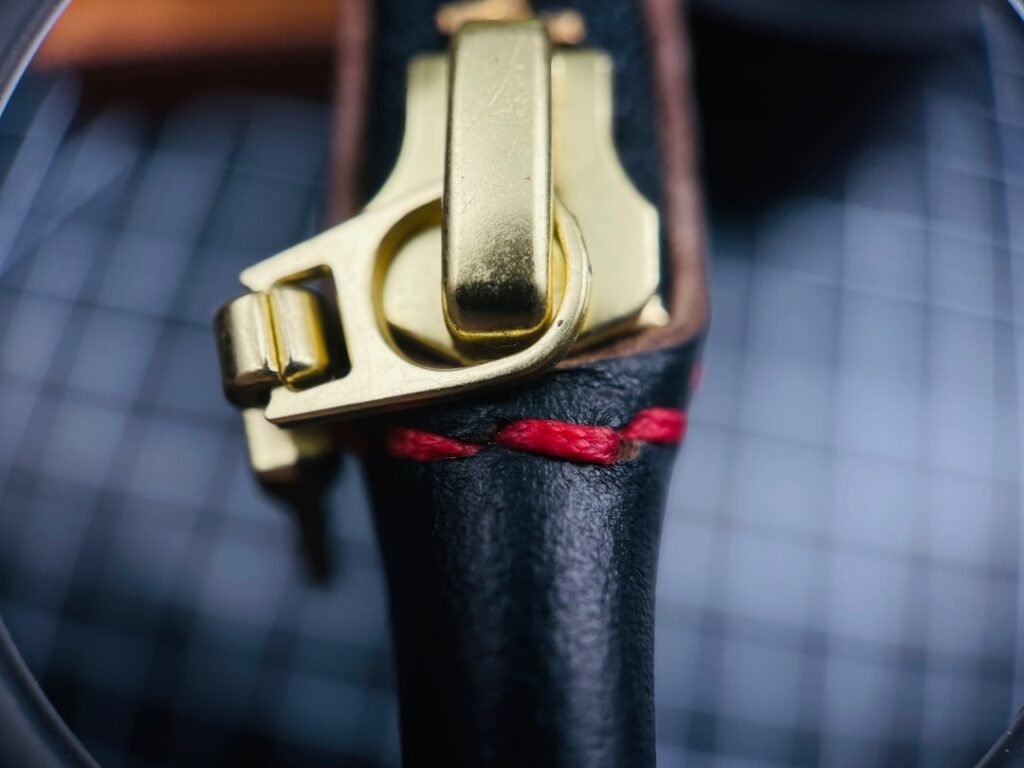
Louis Vuitton hardware on core lines like the Speedy, Neverfull, and Alma is solid brass with a gold or palladium finish. The weight is immediately noticeable. A Speedy 30’s zipper pull alone has a heft that a plated zinc counterfeit cannot replicate, because zinc is roughly 30% lighter than brass. When you hold the hardware in your hand and let it rest on your palm, an authentic piece feels dense, grounded. A counterfeit piece feels hollow, almost weightless by comparison.
The engraving on authentic hardware is deep, with clean edges and a serif font on pieces that carry the Louis Vuitton name. Counterfeit engraving is typically shallow, produced by laser etching rather than die-stamping, and the font is often slightly too thin or too bold. Hold the hardware at an angle under direct light: authentic engraving casts a shadow because the cut is deep enough to create a relief. Laser-etched counterfeits create a flat, almost painted-on appearance with no shadow.
Vachetta Leather: Aging as Authentication
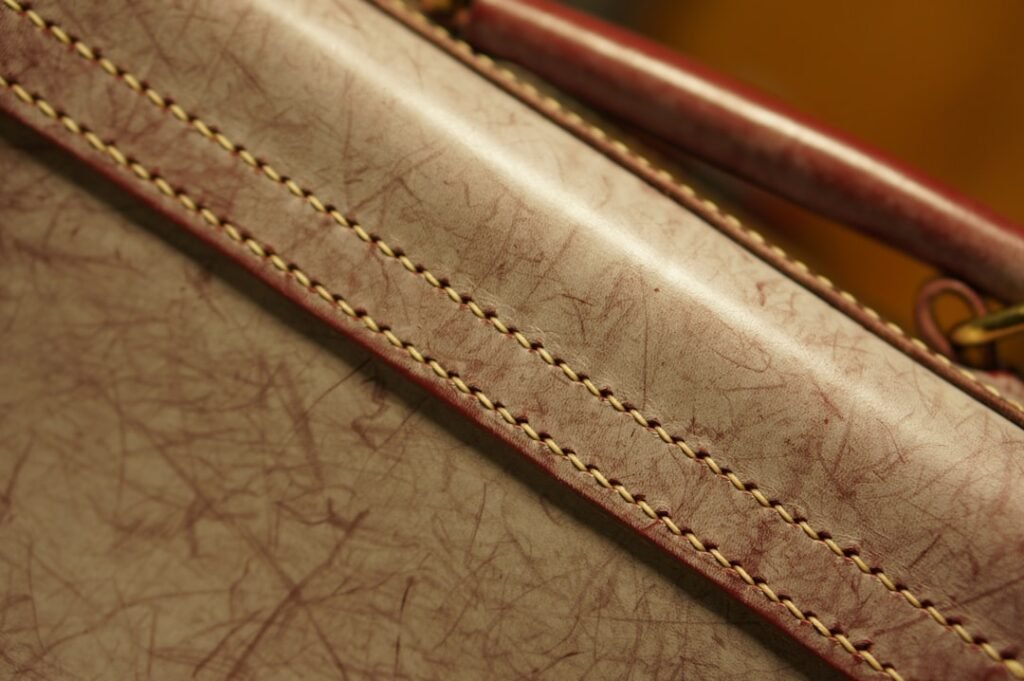
The untreated calfskin leather Louis Vuitton uses for handles, trim, and key rings is called vachetta. It arrives pale, almost white, and it ages. This aging is the single hardest thing for counterfeiters to replicate because it is a chemical process, not a surface treatment. Genuine vachetta begins to darken within weeks of use as it reacts to UV light, skin oils, and humidity. Within six to twelve months of regular handling, the leather develops a warm, uneven honey tone. The color deepens most where hands touch the handles, and it stays lighter on areas that receive less contact.
Counterfeit vachetta either does not age at all, because it has been treated or coated to prevent oxidation, or it ages too uniformly, because the darkening has been artificially applied with stain or dye. Look for unevenness. A handle that is darker on the top curve where the palm grips and lighter on the underside is consistent with genuine aging. A handle that is the same color all the way around, or that has a splotchy, unnatural orange tone, suggests artificial treatment. The patina should look like it developed from use, not like it was applied.
Authentic vs. Counterfeit: Quick Reference Table
| Authentication Check | Authentic Louis Vuitton | Common Counterfeit |
|---|---|---|
| Date code format | Matches production era exactly; heat-stamped, not printed | Wrong format for era; ink-printed or laser-etched; missing or added |
| Monogram alignment | Aligned across major seams; inverted base panel; minor drift on curves | Misaligned at seams; same-direction base; or suspiciously perfect everywhere |
| Stitching | 5-6 per inch; waxed linen thread; V-angle stitch | 7-8 per inch; polyester thread; flat, mechanical stitch |
| Hardware weight | Solid brass; dense, grounded feel; deep die-stamped engraving | Plated zinc; lightweight; shallow laser-etched engraving with no shadow |
| Vachetta leather | Untreated; uneven honey patina from real use; darker where handled | Coated or artificially stained; uniform color; no natural patina development |
| Interior lining | Model-specific brown canvas, microfiber, or textile; precise color match | Generic lining; wrong color or texture for the model; loose stitching |
| Zipper and hardware function | Smooth, quiet operation; hardware inscribed with brand or model name | Stiff or gritty zipper; blank or incorrectly spelled hardware |
Red Flags and Common Counterfeit Tells
The Evolution Problem
The counterfeits that catch experienced buyers are not the obvious ones. They are the bags produced by workshops that have studied authentic construction methods, source higher-grade materials, and understand the authentication checkpoints that most guides describe. These bags will have correct stitch counts, passable hardware weight, and a monogram pattern that aligns on the front and back. This is why surface-level checks are no longer sufficient. The tells that matter now are the ones that require understanding how Louis Vuitton’s own production systems work.
Specific Red Flags
- Date code that decodes to an impossible date. If the first and third digits produce a year that predates the bag’s model design, or the week number exceeds 52, the code is fabricated. Cross-reference the decoded date against the model’s known production years.
- Factory code that does not correspond to a known atelier. Louis Vuitton used a limited set of two-letter factory codes. Codes that do not match any documented factory are an immediate flag.
- Heat-stamped date code on a post-2021 bag. If the model was introduced after 2021 and carries a physical date code instead of an RFID chip, the bag is counterfeit or the code has been added.
- Monogram pattern that is perfectly aligned on curved surfaces. Computer-cut counterfeits achieve symmetry that Louis Vuitton’s hand-guided construction does not.
- Vachetta that is uniformly dark on a bag described as lightly used. Artificial patina is applied to make a counterfeit look aged. The aging pattern must match the described usage.
- Hardware engraving with no depth. Authentic Louis Vuitton engraving is die-stamped and deep. If you cannot feel the engraving with a fingertip, it is laser-etched.
- Interior tag stitching that is loose or uneven. The interior tag on an authentic bag is precisely stitched and firmly attached. A tag that moves or has irregular spacing is a structural defect Louis Vuitton would not release.
For buyers who want to understand quality construction principles that apply across luxury houses, not just Louis Vuitton, the same attention to stitching, hardware, and material aging applies broadly. The ability to read these details transfers to evaluating European design houses where construction standards are equally rigorous and the same principles of material integrity hold.
When to Use a Professional Authentication Service
For bags priced under $800, a thorough self-check using the date code, monogram alignment, hardware, and vachetta methods described above will catch the majority of counterfeits. For bags priced above $1,500, and for any rare or limited-edition piece, professional authentication is no longer optional. The reason is that high-tier counterfeits have closed the gap on visual inspection to the point where even experienced authenticators cannot always make a determination from photographs alone.
What Professional Services Do That You Cannot
Services like Entrupy use microscopic material analysis, examining the weave structure of the canvas, the chemical composition of the hardware, and the cellular structure of the leather at magnifications that reveal manufacturing origin. They compare this data against a proprietary database of authenticated samples. This is not something that can be replicated by eye or by a smartphone app. Other services, such as RealAuthentication and Authenticate First, combine photographic review with database comparison and offer certificates that can be used for resale and insurance purposes.
When to Engage One
Engage a professional service when any of the following apply: the purchase price exceeds $1,500, the bag is a limited edition or collaboration piece with fewer reference points available, the seller has limited or no transaction history, the date code is missing or unreadable, or the bag is a vintage piece from the pre-1982 era where authentication depends entirely on construction and material knowledge rather than tracking codes. The cost of authentication, typically $20 to $50 for a digital certificate, is a fraction of the loss from a single counterfeit purchase.
The same diligence applies across the luxury resale market. Whether you are verifying a Louis Vuitton monogram or evaluating the construction of a curated designer handbag, the principles are the same: understand the brand’s production systems, know what the materials should feel and age like, and do not rely on any single checkpoint in isolation.
Verify Before You Buy
Authentication is not a single test. It is a system of cross-references: the date code must match the era, the monogram must align across seams but not impossibly so, the stitching must be waxed linen at five per inch, the hardware must have the weight of solid brass and the depth of die-stamped engraving, and the vachetta must show the uneven, hand-shaped patina of real use. No single checkpoint is conclusive. A bag that passes three checks but fails the fourth is a bag you walk away from.
Our team at Lazri Boutique approaches every piece we source with the same rigor. We do not rely on seller reputation or surface appearance. We verify construction, materials, and provenance before anything enters our edit, because the value of a luxury bag is only real if the bag is real. If you are considering a pre-owned Louis Vuitton purchase and want a second opinion before you commit, contact us. We will walk you through the authentication details that matter for your specific bag, model, and production era.
Frequently Asked Questions
Below are the questions buyers ask most often when authenticating a pre-owned Louis Vuitton bag, with answers drawn from the specific construction and tracking details covered above.
Frequently Asked Questions
What year did Louis Vuitton stop using date codes?
Louis Vuitton began phasing out physical date codes in 2021, replacing them with embedded RFID microchips. Bags manufactured after this transition no longer carry stamped date codes, and any post-2021 bag with a visible heat-stamped code is likely counterfeit.
Do all authentic Louis Vuitton bags have date codes?
No. Bags manufactured before 1982 did not carry date codes at all. A vintage bag from the 1970s without a code can still be authentic. Bags made after 2021 use RFID chips instead. The presence or absence of a date code must match the bag’s production era.
Can the monogram pattern be perfectly aligned on every authentic LV bag?
Not on every surface. Louis Vuitton’s construction calls for alignment across major seams and an inverted base panel, but minor pattern drift on curved edges and gussets is normal. Complete, flawless symmetry on every surface can actually indicate a high-end counterfeit produced with computer-guided cutting.
How long does vachetta leather take to develop a patina?
Genuine vachetta begins changing color within weeks of regular use and exposure to UV light and skin oils. Within six to twelve months, it develops a warm, uneven honey tone that is darker where hands touch the handles. Counterfeit leather either stays uniform or darkens artificially and evenly.
Should I use a professional authentication service for a high-value purchase?
For any purchase above $1,500, professional authentication is recommended. Services like Entrupy use microscopic material analysis and database comparison that cannot be replicated by visual inspection alone. The cost, typically $20 to $50, is minimal compared to the risk of a counterfeit purchase.